

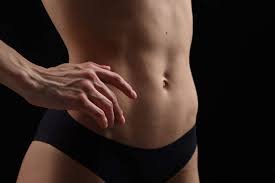
In recent years, the term FUPA has become widely discussed in health, fitness, and lifestyle circles. Standing for “Fat Upper Pubic Area,” FUPA refers to the layer of fat that can accumulate in the lower abdominal region, just above the pubic bone. While it is a natural part of the body for many people, understanding FUPA, its causes, and ways to manage it can help individuals feel more confident and make informed health choices.
What Is FUPA?
FUPA is a colloquial term used to describe the fatty tissue that resides in the lower abdominal region above the pubic area. This fat can vary in size and shape, and it is completely normal for both men and women to have some degree of FUPA.
- Appearance: FUPA may present as a soft, rounded area just above the genital region. Its size can fluctuate depending on weight changes, body composition, and genetics.
- Common Misconceptions: Many people mistakenly believe FUPA is purely the result of poor fitness or diet. While lifestyle factors can contribute, genetics, hormonal changes, and other health conditions also play a role.
Understanding that FUPA is a normal body feature can help reduce stigma and promote body positivity.
Causes of FUPA
The development of FUPA can be attributed to several factors:
- Genetics: Body fat distribution is heavily influenced by genetics. Some individuals naturally store fat in the lower abdomen, making FUPA more noticeable.
- Hormonal Changes: Hormonal fluctuations, particularly in estrogen and cortisol, can lead to fat accumulation in the lower abdominal area.
- Weight Gain: Overall weight gain often results in fat deposits in the lower stomach region.
- Post-Pregnancy Changes: Women may develop FUPA after pregnancy due to stretched abdominal muscles and changes in fat storage.
- Age: As people age, metabolism slows, and fat tends to accumulate in the lower belly area.
- Lifestyle Factors: Sedentary habits, poor nutrition, and lack of exercise can contribute to excess fat, including in the FUPA area.
Recognizing the multiple causes of FUPA helps in approaching management and treatment effectively.
Who Can Have FUPA?
FUPA is not limited to a specific gender or body type. Both men and women can develop this area of fat:
- Women: FUPA is common after pregnancy or due to hormonal changes during menstrual cycles or menopause.
- Men: Men may develop FUPA due to overall body fat gain or hormonal imbalances, particularly with low testosterone levels.
Body positivity experts emphasize that having FUPA is natural and not necessarily a sign of poor health.
Health Implications of FUPA
While FUPA itself is mostly cosmetic, excess fat in the lower abdomen can have some health implications:
- Physical Discomfort: Larger FUPA may cause friction, skin irritation, or discomfort during exercise.
- Posture Issues: Extra weight in the lower abdomen can affect posture and strain the lower back.
- Associated Health Risks: Excess abdominal fat, including FUPA, may increase the risk of metabolic conditions like insulin resistance, type 2 diabetes, and cardiovascular issues if overall body fat is high.
It is important to distinguish between cosmetic concerns and health-related issues when discussing FUPA.
Can FUPA Be Reduced?
Yes, FUPA can be reduced, but it typically requires a combination of approaches targeting overall body fat reduction, muscle toning, and lifestyle changes. Spot reduction is largely ineffective, so a holistic strategy is recommended.
Diet and Nutrition
- Balanced Diet: Eating a diet rich in whole foods, lean proteins, healthy fats, and vegetables supports overall fat loss.
- Calorie Management: Creating a moderate caloric deficit helps reduce excess body fat.
- Avoid Processed Foods: Highly processed foods and sugary beverages can contribute to fat accumulation.
Exercise and Fitness
- Cardio Workouts: Activities such as running, cycling, and HIIT (high-intensity interval training) can help burn calories and reduce overall body fat.
- Strength Training: Exercises targeting the core, lower abs, and pelvic region can strengthen muscles and improve the appearance of the lower abdomen. Examples include planks, leg raises, and squats.
- Consistency: Regular workouts combined with a healthy diet are crucial for long-term results.
Lifestyle Changes
- Adequate Sleep: Poor sleep can disrupt hormones that regulate fat storage, contributing to FUPA development.
- Stress Management: High stress increases cortisol levels, which may promote abdominal fat accumulation. Practices like meditation, yoga, and mindfulness can help.
- Hydration: Drinking plenty of water supports metabolism and reduces bloating in the abdominal area.
Cosmetic Procedures
For individuals seeking faster or more targeted results, cosmetic procedures may be an option:
- Liposuction: Surgical removal of fat from the lower abdominal area can reduce FUPA.
- Non-Invasive Treatments: Technologies like cryolipolysis (fat freezing) and laser fat reduction target localized fat deposits.
It is essential to consult with healthcare professionals before pursuing surgical or cosmetic interventions.
Body Positivity and FUPA
While reducing FUPA is a common goal, embracing body positivity is equally important. FUPA is a natural part of human anatomy, and many people have it regardless of overall fitness. Promoting acceptance can help reduce the stigma around body fat in the lower abdomen.
- Confidence: Feeling confident in your body can improve mental well-being, even if FUPA is present.
- Media Representation: Increasing representation of diverse body types in media helps normalize FUPA and similar features.
- Self-Care Practices: Focusing on overall health, fitness, and well-being rather than cosmetic perfection supports a balanced approach.
Tips to Minimize FUPA Appearance
Even without significant weight loss, certain strategies can improve the appearance of FUPA:
- Wear Supportive Clothing: High-waisted pants or shapewear can provide gentle compression for a smoother look.
- Strengthen Core Muscles: Toning the lower abdominal muscles improves posture and the overall contour of the lower belly.
- Posture Correction: Standing and sitting upright can reduce the prominence of FUPA.
- Targeted Workouts: While spot reduction is limited, exercises like pelvic tilts, leg raises, and oblique twists strengthen the area.
FAQs About FUPA
Q1: What does FUPA stand for?
A: FUPA stands for “Fat Upper Pubic Area,” referring to the layer of fat above the pubic bone in the lower abdomen.
Q2: Can men have FUPA?
A: Yes. Men can develop FUPA due to overall fat accumulation or hormonal imbalances, particularly low testosterone.
Q3: Is FUPA harmful?
A: FUPA itself is mostly cosmetic, but excessive abdominal fat may be associated with health risks like insulin resistance and cardiovascular conditions.
Q4: Can FUPA be reduced naturally?
A: Yes. Combining a balanced diet, regular exercise, and lifestyle changes can reduce FUPA over time.
Q5: Are cosmetic treatments effective for FUPA?
A: Surgical procedures like liposuction and non-invasive treatments such as fat freezing can target FUPA, but professional consultation is essential.
Q6: Does pregnancy cause FUPA?
A: Pregnancy can contribute to FUPA due to stretched abdominal muscles, weight gain, and changes in fat storage patterns.
Q7: Is FUPA a sign of poor fitness?
A: Not necessarily. FUPA can appear in people of all body types and fitness levels, and it is influenced by genetics, hormones, and lifestyle factors.
Q8: How long does it take to reduce FUPA naturally?
A: Results vary depending on diet, exercise consistency, and genetics. Typically, noticeable changes may appear after several months of sustained effort.
Conclusion
FUPA is a common and natural aspect of the human body that affects both men and women. While it is often discussed in terms of aesthetics, understanding its causes, ranging from genetics and hormonal changes to lifestyle factors, helps individuals make informed choices.
Reducing FUPA involves a combination of healthy eating, regular exercise, stress management, and lifestyle adjustments. For those seeking faster results, cosmetic procedures may be considered, but consultation with a healthcare professional is crucial.
Equally important is the promotion of body positivity. Accepting FUPA as a normal part of human anatomy encourages self-confidence and reduces societal stigma. By balancing self-care, fitness, and acceptance, individuals can manage FUPA effectively while maintaining a positive outlook on their bodies.
Ultimately, FUPA is not just about appearance, it is a part of holistic health and well-being, reminding us that every body is unique and worthy of care and respect.
