

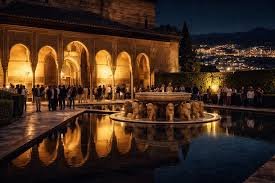
Introduction to Alhambra Palace Night Tours
Nestled in the heart of Granada, Spain, the Alhambra Palace is celebrated for its intricate architecture, lush gardens, and centuries-old history. While daytime visits showcase the grandeur under the bright Andalusian sun, night tours offer an entirely different experience. The soft moonlight, ambient lighting, and quieter surroundings transform the palace into a serene, intimate venue, attracting both locals and international tourists. Beyond the aesthetic appeal, these night tours generate significant attendance revenue, offering a new economic dimension to cultural tourism in Granada.
Alhambra Palace Night Tour Attendance Revenue Explained
The term “Alhambra Palace Night Tour Attendance Revenue” refers to the income generated specifically from night-time visits. Unlike daytime tours, night tours combine exclusivity, smaller visitor groups, and premium ticket pricing to maximize revenue while maintaining the palace’s preservation. This revenue comes from ticket sales, guided tours, and specialized packages, allowing the Alhambra to earn more without expanding physically or overburdening the historic structures.
Why Attendance Numbers Matter
Visitor numbers are crucial for understanding revenue potential. Night tours typically accommodate fewer people, often between 100,000 and 150,000 annually, compared to millions for daytime visits. Limited attendance not only protects the delicate architecture but also enhances the visitor experience, creating a premium feel that justifies higher ticket prices.
Typical Night Tour Attendance
Annual and Monthly Trends
Night tour attendance fluctuates seasonally, peaking in spring and autumn when Granada enjoys moderate weather and high tourism demand. Monthly attendance data shows a consistent preference for evening slots, particularly during weekends and holidays. Visitor demographics often include couples, cultural enthusiasts, and repeat tourists who seek a quieter, more atmospheric experience.
Peak Attendance Times
Evening entries are carefully timed, with staggered groups moving through the Nasrid Palaces, Generalife, and Alcazaba. These controlled flows prevent overcrowding, improve visitor satisfaction, and maintain a high-quality tour experience. The structured scheduling directly impacts revenue, as it allows multiple tours per night while respecting conservation limits.
Revenue & Financial Insights
Ticket Pricing and Income
Night tour ticket prices typically range from €8 to €13 per visitor, higher than daytime tickets due to the exclusive experience. Estimated annual revenue from night tours ranges between €1 million and €2 million. Premium guided tours, small group packages, and optional extras further increase per-visitor revenue.
Revenue Growth Trends
The Alhambra’s night tours have experienced steady revenue growth. Initially experimental and limited, the night tours expanded as demand increased, guided by visitor feedback and predictive analytics. Seasonal adjustments, technological enhancements, and premium pricing strategies have allowed the Alhambra to optimize earnings without compromising its cultural heritage.
Ticketing & Pricing Strategies
Digital ticketing has streamlined sales and reduced no-shows. Best practices include advance bookings, clear pricing, and flexible packages for couples or small groups. Night tour ticket sales often show higher demand than expected, reflecting visitor preference for quieter, less crowded experiences. The revenue breakdown indicates that exclusive tours contribute disproportionately to income despite lower overall visitor numbers compared to daytime visits.
Visitor Behavior & Experience
Visitors choose night tours for their intimate atmosphere, cooler temperatures, and the unique visual experience. Reviews highlight the combination of history, architecture, and storytelling, creating a premium experience. Visitor satisfaction is consistently high, which reinforces attendance trends and supports stable revenue growth. Night tours also encourage longer stays in Granada, benefiting local dining, lodging, and cultural activities.
Comparisons & Broader Context
When analyzing the Alhambra Palace night tour attendance revenue, it’s essential to compare night tours with daytime visits. While daytime tours attract a higher volume of visitors—often over 2 million annually—the revenue per visitor during night tours tends to be higher due to premium pricing and exclusive experiences. This makes night tours a strategic revenue driver despite lower attendance.
Night Tour vs Day Tour Revenue
- Night tours: Fewer visitors, higher per-ticket revenue, controlled flows, and premium guided experiences.
- Day tours: Large volumes, moderate ticket pricing, higher overall attendance but lower per-visitor revenue.
- Revenue insights: The Alhambra leverages night tours to supplement day tour income, balancing visitor numbers with preservation needs.
Revenue Contribution to Granada Tourism
Night tours not only generate direct income but also enhance the overall economic impact on Granada. Visitors often dine locally, use accommodations, and engage in other cultural activities. This multiplier effect increases the financial value of night tours beyond ticket sales, emphasizing their significance in the city’s tourism ecosystem.
Comparison With Other Attractions
Other cultural heritage sites in Spain, such as the Royal Alcázar of Seville or the Sagrada Família in Barcelona, also use evening tours for added revenue. The Alhambra stands out due to its combination of historical prestige, architectural intricacy, and the strategic use of night tours to boost income while maintaining preservation standards.
Location & Tourism Context
Alhambra Palace Tourism Statistics
The Alhambra remains Granada’s top attraction, with millions of visitors yearly. Night tour attendance, while smaller, plays a significant role in balancing visitor load, ensuring that the palace does not become overcrowded during the day. Annual reports suggest night tours consistently attract high occupancy rates, often reaching near-capacity bookings during peak seasons.
Impact on Granada’s Economy
- Boosts local hospitality, dining, and transportation sectors.
- Increases demand for cultural tourism-related services.
- Supports seasonal employment for guides, security, and staff.
Night tours contribute to sustainable tourism, generating revenue without negatively impacting the historic site.
Cultural Heritage Revenue in Spain
The Alhambra is an excellent example of leveraging historical assets for economic growth. Revenue from night tours feeds directly into conservation efforts, heritage programs, and tourism infrastructure, creating a self-sustaining cycle of cultural preservation and financial support.
Long-Tail & Question-Based Insights
How Does the Night Tour Generate Revenue?
Revenue is generated primarily through ticket sales, with additional contributions from guided tours, special access passes, and seasonal packages. Pricing strategies are adjusted to reflect exclusivity, visitor demand, and seasonal variations.
What Affects Night Tour Attendance?
- Seasonal tourism peaks.
- Special events or holidays.
- Weather conditions.
- Marketing and online visibility of the night tour experience.
Alhambra Palace Night Tour Attendance Forecast
Predictive analytics and historical attendance data help forecast visitor numbers. Trends suggest consistent growth for night tours, particularly among international visitors seeking unique cultural experiences.
Why Is the Alhambra Night Tour Popular?
- Cooler evening temperatures.
- Intimate and less crowded environment.
- Enhanced lighting highlighting architectural features.
- Curated storytelling and guided experiences.
How Profitable Are Night Tours?
Night tours are profitable due to:
- High per-ticket pricing.
- Consistent occupancy despite smaller group sizes.
- Minimal additional operational costs compared to day tours.
What Time Do Most People Attend?
Evening slots between 8 PM and 10 PM are the most popular, coinciding with sunset and early night hours for optimal visual experience.
How Many Visitors Attend a Night Tour?
Night tour attendance ranges from 100,000 to 150,000 annually, depending on seasonal factors, holidays, and special events.
SEO Supporting Insights
Cultural Tourism Revenue Trends
Night tours at the Alhambra exemplify trends in cultural tourism where exclusive experiences drive higher revenue per visitor. Globally, heritage sites are using night tours to optimize earnings while managing preservation concerns.
Night Tourism Attendance Analysis
Data shows consistent night tour popularity, particularly among international tourists, highlighting the importance of digital booking platforms and strategic marketing.
Historical Site Revenue Metrics
Revenue per visitor, occupancy rates, and seasonal ticket sales provide a reliable framework to measure financial success of night tours.
Heritage Site Visitor Statistics
Visitor feedback, repeat visits, and demographic data indicate that night tours attract culturally motivated travelers, increasing long-term sustainability and financial viability.
Tourism Economic Impact Study
Night tours contribute to local economies via secondary spending, employment, and seasonal tourism flows, creating measurable economic benefits for Granada.
Seasonal Attendance Variations
Peak attendance occurs in spring and autumn; revenue forecasts adjust ticket pricing and capacity to maximize both visitor satisfaction and income.
Revenue Optimization Tourism
The Alhambra applies pricing, scheduling, and experience enhancements to optimize revenue without compromising cultural preservation, serving as a model for heritage site management worldwide.
